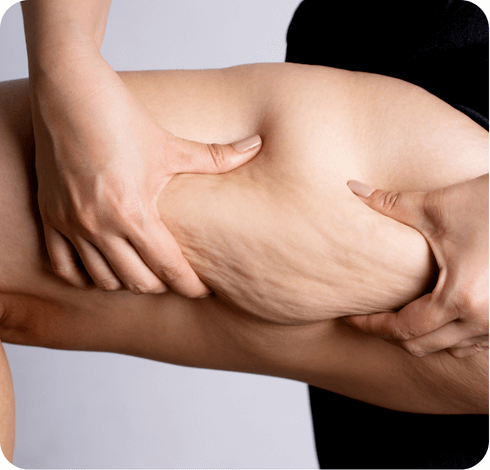
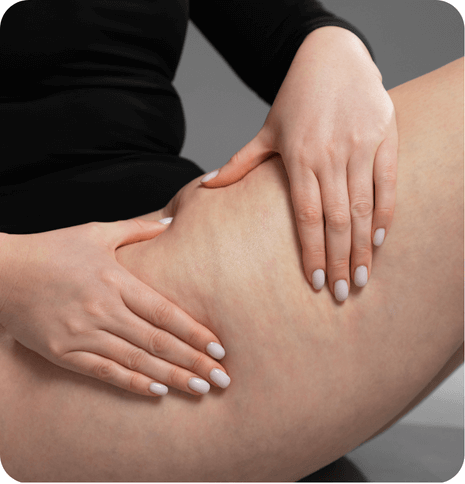
Liposuction is a common aesthetic procedure used to remove excess fat under the skin using suction. A high-pressure vacuum is applied to a hollow instrument (cannula) to remove fat and contour the body.
It is designed to address stubborn fat that does not respond to diet and exercise. Liposuction is not a weight-loss method and not a treatment for obesity.
PROCEDURES
How Liposuction Is Performed
Liposuction is usually performed under general anaesthesia in an Ambulatory Surgical Centre (ASC) or hospital for patient comfort and safety. Small-volume liposuction under 100 ml may be performed in approved clinics or when used as an adjunct to fat grafting.
Areas That Can Be Treated
Chin & Neck: Helps reduce heaviness under the chin or jawline.
Arms: Treats stubborn fat under or behind the arms; may improve confidence in wearing sleeveless clothing.
Abdomen & Flanks: A common treatment area, especially after weight changes or childbirth.
Thighs: Targets inner and outer thigh fat to create a slimmer profile.
Gynecomastia: Can be used to treat male breast enlargement with minimal scarring.
The ideal candidate is someone with stable body weight who wishes to remove stubborn fat deposits that do not respond to diet or exercise. Liposuction is most effective in patients close to or at their ideal body weight.
Like all surgical procedures, liposuction carries risks.
Common risks include:
Bruising
Swelling
Numbness
Asymmetry
Scarring
Follow-up surgery may occasionally be needed to refine contour irregularities.
Rare but serious complications may include:
Pulmonary embolism
Deep vein thrombosis
Fat embolism
Skin necrosis
Excess fluid loss leading to shock
AFTERCARE
Downtime & Recovery
Liposuction usually achieves excellent results after a single treatment when performed on an appropriate patient by an experienced surgeon.
During the procedure, there is no pain due to general anaesthesia or sedation. After surgery, patients often describe soreness similar to a deep bruise or a strenuous workout. Pain is typically managed with oral painkillers such as paracetamol or Arcoxia.
HOW TO START
Arrange a Consultation
If you are considering the treatment with our experienced surgeons, you may book a consultation to discuss suitability, options, and the treatment process based on your medical history and goals.
Most patients achieve excellent results after a single session when appropriately selected.
Is liposuction painful?
The procedure itself is not painful due to anaesthesia. Post-operative discomfort varies but is often described as soreness or bruising, manageable with oral painkillers.
🩺 A full evaluation with an MOH-accredited doctor is required to determine suitability for the procedure.
*Disclaimer: Results vary according to individual.