FAT GRAFTING
PROCEDURES
What is Fat Grafting?
Structural Fat Grafting, also know as autologous fat transfer is a natural-looking and long lasting way of restoring volume to your face or breasts.
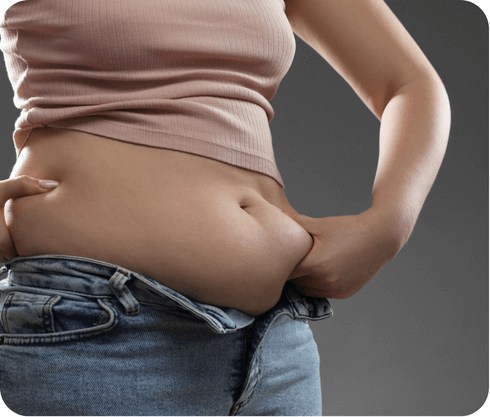
The process involves harvesting fat from your own fat stores by liposuction. This is usually taken from the abdomen, flanks or the thighs. The fat is then processed using a meticulous process to ensure the viability of the fat cells and then carefully injected into the face to replace volume, rejuvenate and enhance the facial features.
Which Areas Are Ideal for Fat Grafting?
Depending on the areas of volume loss and where you would wish to rejuvenate,
Fat Grafting can be done to the following areas:
- Skin rejuvenation
- Forehead rejuvenation
- Filling of the hollows around the eyes and undereye area
- Correction of dark eye circles
- Augmentation of the cheeks
- Filling of the Nasolabial folds
- Filling of the Chin
- Subcision and correction of facial acne scars
- Rejuvenation of aging hands
- Breast Augmentation (See Breast Augmentation)

Fat grating VS Fillers
| Fat Grafting | Dermal Fillers | |
|---|---|---|
Source |
Uses your own fat, harvested from another area of the body. | Uses sterile, synthetic gel (commonly hyaluronic acid). |
Longevity |
Long-lasting once the fat integrates with surrounding tissue; behaves like natural fat over time. | Typically lasts 6 to 12 months, depending on the product and area treated. |
Allergy Risk |
Very low, as the fat comes from your own body (autologous). | Rare; allergic reactions are uncommon but possible. |
Procedure |
Involves fat harvesting, processing, and injection | Quick, minimally invasive injection |
Texture & Feel |
Soft and natural once healed; integrates with your own tissue. | Smooth and consistent; immediate effect after injection. |
Recovery |
Slightly longer due to fat harvesting and healing at both donor and injection sites. | Short downtime; mild swelling or bruising possible. |
Suitability |
Suitable for patients seeking longer-term restoration and have adequate donor fat. | Suitable for those who prefer shorter procedures or wish to try non-surgical volume correction first. |
SAFETY
Risks & Considerations
- The risks are very low. As this is autologous fat, which is from your own body, there is no risk of allergy or rejection.
- The best option depends on your goals, anatomy, and medical assessment by an MOH-accredited plastic surgeon.
- The risks are very low. As this is autologous fat, which is from your own body, there is no risk of allergy or rejection.
- The best option depends on your goals, anatomy, and medical assessment by an MOH-accredited plastic surgeon.
AFTERCARE
Downtime & Recovery
Fat transfer is typically performed as a day procedure in a licensed medical facility, where patients are discharged on the same day. The procedure involves removing fat from one area and transferring it to another to restore or enhance volume.
- May be done under local or general anaesthetic, depending on the amount of fat required.
- Bruising may occur at the donor and grafted sites, usually resolving within 5–7 days.
- Tiny incisions are made for fat extraction and injection; these are generally not visible once healed.
- Final results are usually visible after about 2 months, once swelling subsides.
- Most patients achieve their desired outcome in one session; however, certain areas (e.g. breast augmentation) may require additional sessions spaced 3 months apart.
🩺 Recovery time and results vary between individuals. Your surgeon will advise on the appropriate plan and number of sessions required.
HOW TO START
Arrange a Consultation
If you are considering the treatment with our experienced surgeons, you may book a consultation to discuss suitability, options, and the treatment process based on your medical history and goals.
FAQ
Frequently Asked Questions
What is the difference between Microfat Grafting and Nanofat Grafting?
You may have heard of Microfat Grafting and Nanofat Grafting. These are special preparations of the fat using the Tulip system of cannulas and filters which we use exclusively at AZATACA Plastic Surgery. The fat can be processed into small particles to increase the survival rate during grafting. Nanofat is a processing technique where the fat is liquefied to a fine solution and used mainly for skin rejuvenation such as correction of dark eye rings, superficial wrinkles and scar.
*Disclaimer: Results vary according to individual.
GET IN TOUCH
Book Your Consultation