ASIAN RHINOPLASTY
ABOUT
Asian Rhinoplasty
Asian Rhinoplasty is a cosmetic procedure that is tailored for Asians, taking into consideration the principles of rhinoplasty and applying it on an Asian patient with consideration of the anatomy and ethnicity of the Asian patient.
It is a complex surgical procedure that combines both artistry and surgical finesse to alter the shape and contour of the nose to achieve a more aesthetic nasal shape, which is harmonious with the facial proportions and also keeping in mind the functional aspects of the nose.
Depending on what is required, Asian Rhinoplasty may include refinements such as:
- Augmenting a flat nasal dorsum using implants or autologous tissue
- Removing dorsal humps
- Refining an enlarged, bulbous, drooping, upturned, or hooked nasal tip
- Improving nasal tip projection
- Lengthening a short nose
- Correcting nose size in relation to facial harmony
- Reducing wide, large, or upturned nostrils
- Narrowing the nasal base
- Restoring nasal asymmetry
- Straightening congenital or traumatic nasal deviations
PROCEDURES
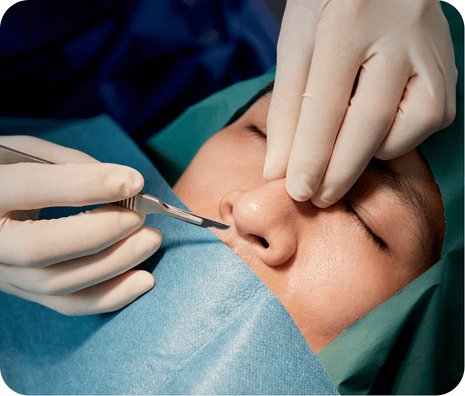
Procedural Approaches
INDICATIONS
Suitable candidate for Rhinoplasty Surgery

Rhinoplasty surgery may be considered by individuals who:
- Understand that the procedure is highly individualised and should be done for personal reasons, not to meet someone else’s expectations.
- Have completed facial growth.
- Are physically healthy.
- Do not smoke, as this supports safer healing.
Patients are encouraged to discuss their goals and concerns during consultation to understand how rhinoplasty may help address their needs.
SAFETY
Risks & Considerations
Our plastic surgeon will explain in detail the risks associated with surgery.
Rhinoplasty surgery risks include:
- Infection
- Bleeding, haematoma, and swelling
- Surgical scars (usually well‑concealed but may occasionally be visible)
- Nasal septal perforation (rare)
- Difficulty breathing
- Unsatisfactory nasal appearance
- Change in skin sensation (numbness or pain)
- Skin discoloration and swelling
- Possibility of revisional surgery
- Risk of pneumothorax (if rib cartilage is harvested)
- Anaesthesia‑related risks
🩺 Your surgeon will discuss these risks and measures taken to minimise them during consultation.
AFTERCARE
Downtime & Recovery
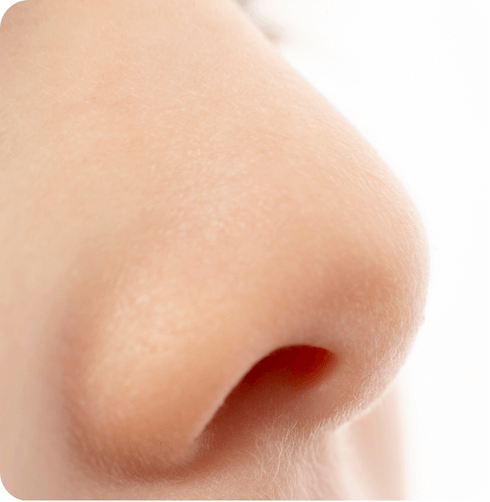
- A splint may be placed externally to support the nose during initial healing
- Nasal packing may be required temporarily, making nasal breathing difficult
- Sutures removed after 5–7 days (nose) or 10–14 days (scalp/ear area)
- Initial swelling subsides within 1–2 months
- Full refinement may take up to a year
- Swelling may fluctuate and be more noticeable in the morning during the first year
- Results are long‑lasting; best noted after 1–2 years when swelling fully settles
HOW TO START
Arrange a Consultation
If you are considering the treatment with our experienced surgeons, you may book a consultation to discuss suitability, options, and the treatment process based on your medical history and goals.
FAQ
Frequently Asked Questions
Can I see what I will look like after Rhinoplasty?
With the aid of sophisticated 3D imaging computer software, we are able to simulate the surgery to allow patients a preview of how the surgery may change their nose and appearance. This is a very useful tool for patients to be able to see the changes that they will have after surgery and also to describe to our surgeons the type of changes that they want, no matter how subtle. They are able to “try” on different nose profiles to see what best fits them before committing to surgery.
How much does a Rhinoplasty Surgery cost?
Rhinoplasty surgery costs can vary widely. This depends on the extent of the surgery and whether nasal implants are used or total autologous tissue is used. Depending on the complexity of the surgery, the procedure may be done under Local Anaesthesia or General Anaesthesia.
What questions should I ask during the consultation?
Rhinoplasty surgery involves many choices and there are also many different techniques. The first and most crucial step is to select a certified surgeon you can trust.
During the consultation with your surgeon, be prepared to discuss:
- The goals of your surgery, with regard to both appearance and breathing
- Medical conditions or previous nasal trauma, drug allergies and previous surgeries
- Current medications, vitamins, herbal supplements, alcohol, tobacco. The use of certain health supplements may increase the risk of bleeding and prolong healing. Please check with your surgeons on the impact of these medications.
It’s very important to understand all aspects of your rhinoplasty procedure. It’s natural to feel some anxiety, whether it’s excitement for your anticipated new look or a bit of preoperative stress. Don’t be shy about discussing these feelings with your plastic surgeon.
🩺 A full evaluation with an MOH-accredited doctor is required to determine suitability for the procedure.
*Disclaimer: Results vary according to individual.
GET IN TOUCH
Book Your Consultation