RECONSTRUCTIVE RHINOPLASTY
ABOUT
Reconstructive Rhinoplasty
Reconstructive Rhinoplasty is performed to correct deformities of the nose acquired as a result of cancer surgery or after direct trauma to the nose that are affecting form or function.
PROCEDURES
Procedural Approaches
After Cancer Surgery
Successful removal of nasal skin cancers requires clear margins. Because nasal skin is tight, resulting defects may not close easily and reconstruction is often required.
- Local flap options such as bilobed, mitre, or forehead flaps
- Adjacent skin from the cheek, lip, or forehead may be used for coverage
After Trauma
Nasal fractures commonly result from road traffic accidents, falls, or altercations. Early minor injuries (within 2 weeks) may be treated with manipulation and reduction (M&R) without external incisions.
If deformities persist or are complex, an open rhinoplasty or septoplasty may be required to correct deviation and improve breathing.
SAFETY
Risks & Considerations
Rhinoplasty surgery involves certain risks which your surgeon will discuss in detail.
Possible complications include:
- Infection
- Bleeding, haematoma, and swelling
- Surgical scars (usually well-concealed but may occasionally be visible)
- Nasal septal perforation (rare)
- Difficulty breathing
- Unsatisfactory nasal appearance
- Change in skin sensation (numbness or pain)
- Skin discolouration and swelling
- Possibility of revisional surgery
- Risk of pneumothorax (if rib graft is harvested)
- Anaesthesia-related risks
🩺 Your surgeon will discuss these risks and measures taken to minimise them during consultation.
AFTERCARE
Downtime & Recovery
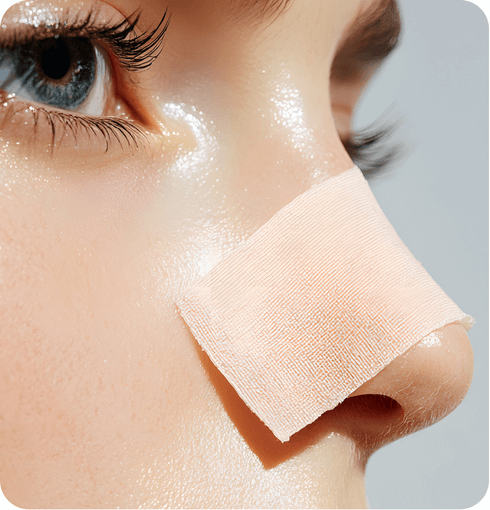
- After surgery, a splint may be placed on the nose to support and protect the new structure.
- Nasal packing may be required temporarily, making nasal breathing difficult during that period.
- Sutures are typically removed after
- 5–7 days (nose)
- 10–14 days (scalp or ear areas)
- Initial swelling may subside within 1–2 months, though full refinement may take up to one year.
- Swelling can fluctuate and may be more noticeable in the mornings during the first year.
- Results are permanent, with best outcomes visible after 1–2 years once swelling has completely settled.
HOW TO START
Arrange a Consultation
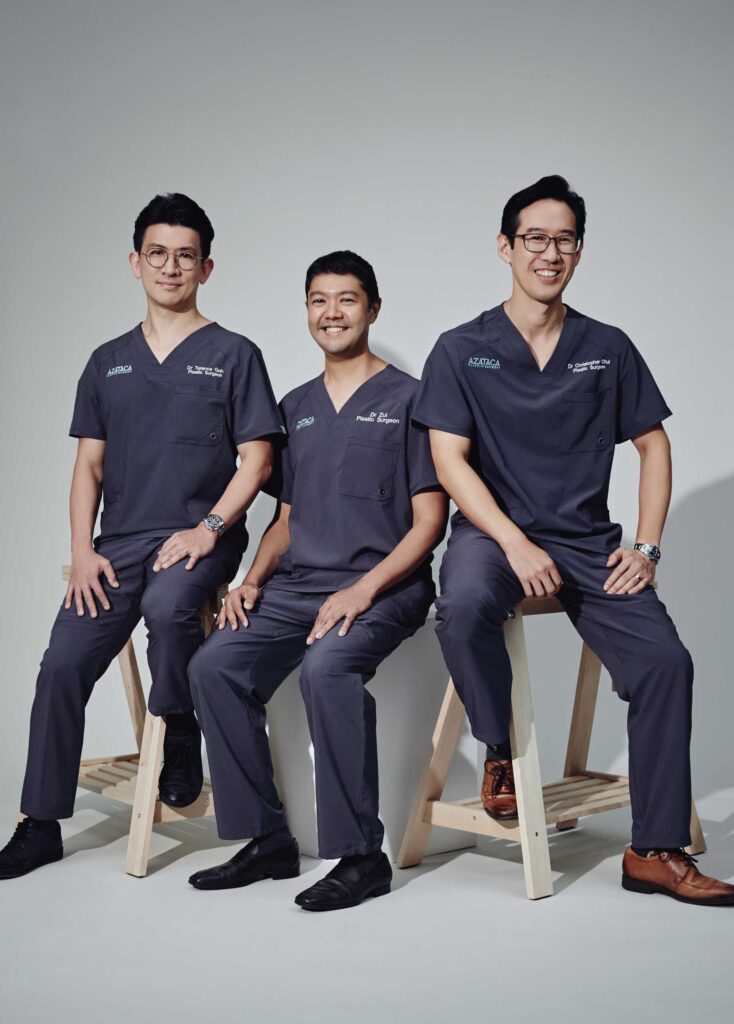
If you are considering the treatment with our experienced surgeons, you may book a consultation to discuss suitability, options, and the treatment process based on your medical history and goals.
FAQ
Frequently Asked Questions
Can I see what I will look like after Rhinoplasty?
Yes. Using 3D imaging software, your surgeon can simulate how surgery may change your nose and appearance.
Is Reconstructive Rhinoplasty covered by insurance?
Reconstructive rhinoplasty is usually covered under most health insurance plans, particularly when done to improve breathing function. Coverage may vary by policy and typically requires prior authorization and medical documentation.
What questions should I ask during consultation?
- Your goals for both appearance and breathing function
- Any medical conditions, prior trauma, allergies, or surgeries
- All medications or supplements you are taking, as some may increase bleeding risk
It’s natural to feel some anxiety before surgery. Don’t hesitate to share your thoughts or questions with your plastic surgeon.
🩺 A full evaluation with an MOH-accredited doctor is required to determine suitability for the procedure.
*Disclaimer: Results vary according to individual.
GET IN TOUCH
Book Your Consultation